


The Critical Condition: Why Healthcare Cybersecurity is on Life Support

Healthcare Cybersecurity, HIPAA Compliance, Ransomware in Hospitals, Medical Device Security, IoMT Vulnerabilities, Patient Data Privacy (PHI), Electronic Health Records (EHR) Security, Cyberattacks on Healthcare, Digital Health Risks, Hospital IT Security, Dark Web Medical Records.
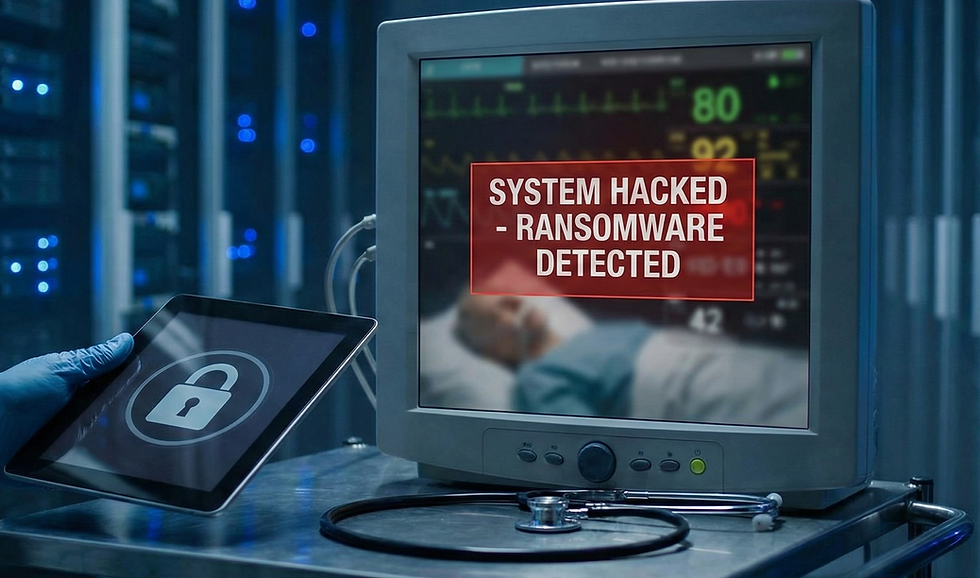
When we think of critical infrastructure, we often picture power grids or water dams. But in the digital age, the most fragile and vital infrastructure is the nearest hospital. Healthcare has become ground zero for the most devastating cyberattacks of the decade. Unlike a breach at a retailer where you might need a new credit card, a breach in healthcare can mean cancelled life-saving surgeries, ambulances diverted, and sensitive medical histories exposed forever. The industry is facing a digital pandemic, and currently, the prognosis is grim.
Why Your Medical Record is Worth More Than Your Credit Card
Cybercriminals are rational economic actors—they go where the money is. On the dark web, a stolen credit card number might fetch a few dollars. A complete Protected Health Information (PHI) record? That can be worth upwards of $250 to $1,000.
Why the discrepancy? A credit card can be cancelled in minutes. Your medical history—your ailments, surgeries, prescriptions, and genetic information—is permanent. It cannot be reset. This data is fuel for high-end identity theft, medical insurance fraud, and targeted extortion. Hackers know that hospitals hold the crown jewels of personal data, and they are ruthlessly exploiting it.
The Perfect Storm of Vulnerability
The healthcare sector is uniquely vulnerable due to a "perfect storm" of operational realities:
1. The Legacy Problem: Walk into many hospitals, and you will find critical diagnostic machines running on operating systems that haven't been supported for a decade (like Windows XP or 7). These machines are expensive to replace and cannot be taken offline for patching, making them sitting ducks for modern exploits.
2. The Internet of (Insecure) Medical Things (IoMT): Modern healthcare relies on connected devices—from smart insulin pumps to Wi-Fi-enabled pacemakers. These devices often prioritize functionality over security, shipping with hardcoded passwords or no ability to receive security updates, creating thousands of new entry points into hospital networks.
3. The Human Element under Pressure: Doctors and nurses are overworked, exhausted, and focused on patient care, not IT security. A well-crafted phishing email disguised as an urgent patient update is highly likely to be clicked in a high-stress environment.
The Ransomware Epidemic
Ransomware is the most acute threat facing healthcare today. Attackers don't just steal data; they encrypt Electronic Health Records (EHRs) and demand millions in cryptocurrency to unlock them.
When an EHR system goes down, the hospital reverts to the 1970s. Patient history is inaccessible, drug interactions cannot be automatically checked, and imaging schedules are wiped out. The moral hazard is immense: attackers know hospital administrators will pay almost anything to get the systems back online when patient lives hang in the balance.
The Treatment Plan
Securing healthcare isn't just an IT issue; it's a patient safety issue. The industry must move rapidly from a reactive posture to a proactive defense. This involves:
Network Segmentation: Ensuring that the guest Wi-Fi in the waiting room cannot communicate with the network hosting the MRI machines or patient databases.
Digital Hygiene: Mandating Multi-Factor Authentication (MFA) everywhere and aggressively patching systems that can be patched.
Incident Response Drills: Hospitals practice fire drills; they must also practice "ransomware drills" to ensure continuity of care when digital systems fail.
The digitization of healthcare has saved countless lives, but it has introduced a new, invisible pathogen. It is time to treat cybersecurity with the same urgency as any other critical medical intervention.


Comments